The Nightingale Movie 2027: Visit the Real France Locations Before the Crowds Do
The Nightingale Movie 2027 Comes Out in February. Here’s How to Visit the Real France Before Everyone Else Does.
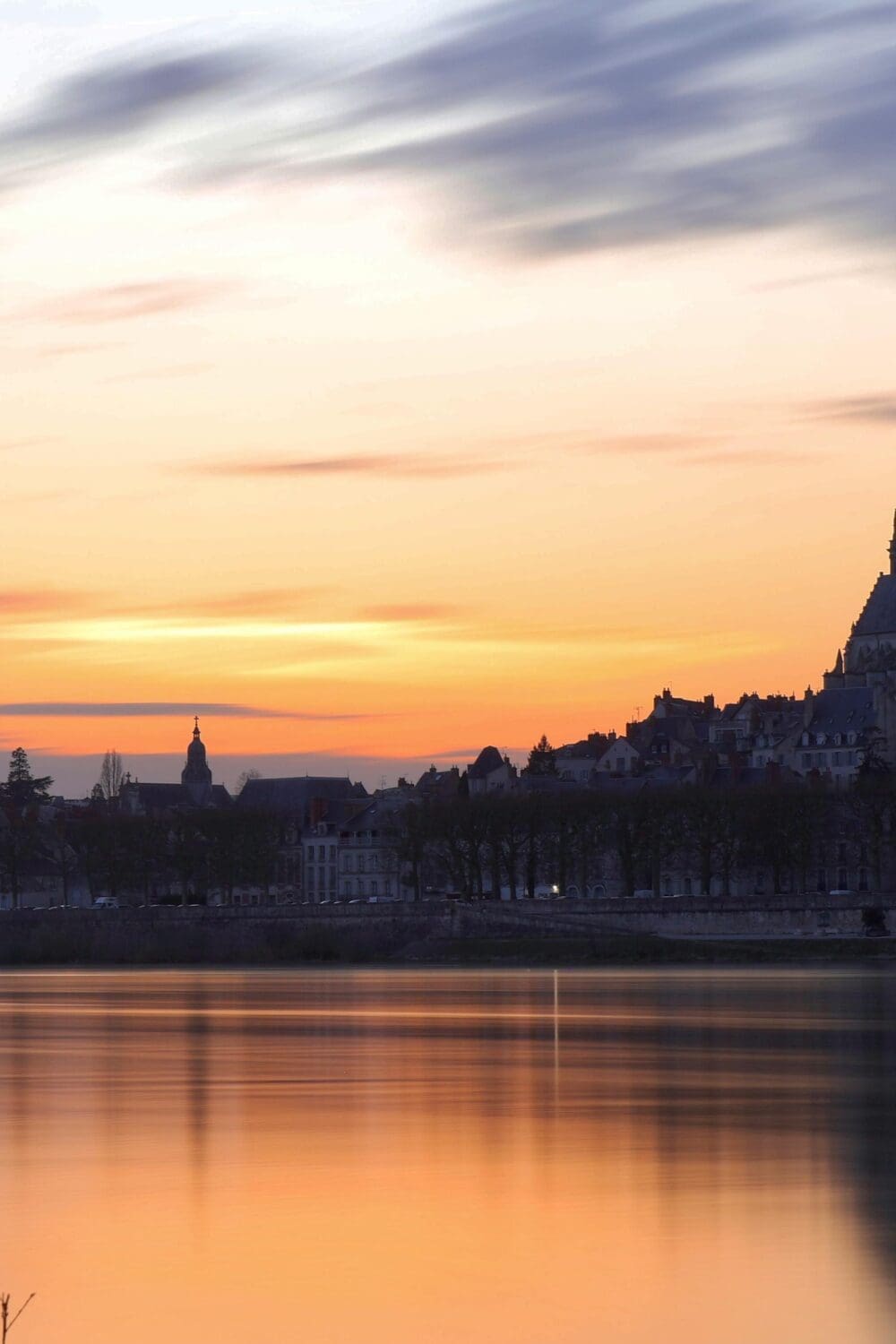
The Nightingale movie 2027 releases in February — and for the millions of women who read Kristin Hannah’s novel, it’s about to open up something they thought they’d tucked away. You finish a book like that. You sit in the dark for a while. You think about Vianne and Isabelle for days. Maybe weeks.
Here’s what that means for anyone who has ever thought about visiting France.
The moment that film hits theaters, audiences around the world are going to watch it and immediately want to go. They’re going to Google ‘Loire Valley travel,’ search ‘Paris Nightingale locations,’ and flood travel sites looking for vineyard tours, village hotels, and Seine river cruises. All at once.
The quiet, unhurried, authentic France that inspired this story is about to get very popular.
The people who go in spring 2027, right after the film releases and before the crowd figures out the logistics, are going to have a completely different experience than the ones who go a year later.
This post is for the people who want to be first.
What Happens When The Nightingale Movie Hits Theaters
It’s happened before. It will happen again.
When Outlander became a television series, tourism to Scotland increased by more than 150%. Certain castles went from quiet historical sites to crowded photo stops almost overnight. The experience didn’t disappear, but it changed.
When Under the Tuscan Sun hit theaters, Tuscany saw a surge in American tourists specifically seeking the farmhouse, the village, the slow Italian life from the film. Boutique properties booked up months in advance. Prices followed.
Downton Abbey did the same for the English countryside. The Da Vinci Code did it for Paris. Midnight in Paris did it for the city all over again.
This is simply what happens. A story captures people’s hearts, and they want to stand in the place where it lived.
The Nightingale is one of the most beloved novels of the past decade. It has sold millions of copies. It has been passed between friends, recommended by book clubs, ugly-cried over on airplanes and in bed at midnight. The film adaptation has been anticipated for years.
When it releases in February 2027, the Loire Valley is going to have its Outlander moment.
The question is whether you want to be there before that happens or after. The Nightingale movie 2027 is going to be France’s Outlander moment.
The Real Nightingale Movie Locations (What the Movie Will Show You, and What It Can’t)
A film can show you what France looks like — golden light over vineyard rows, châteaux rising above the river, Paris doing what Paris always does on screen. But it cannot give you the smell of a Loire Valley morning market, the exact weight of a wine glass poured by the family who grew the grapes, or the sound of a village at dusk when the tourists have gone and the locals are eating dinner behind closed shutters.
It can show you Isabelle walking the streets of Paris. It cannot give you your own moment on the Seine — champagne in hand, the city glowing on the water, your own version of her boldness rising up in your chest.
Here’s where the story actually lives.
The Loire Valley (Vianne’s France)
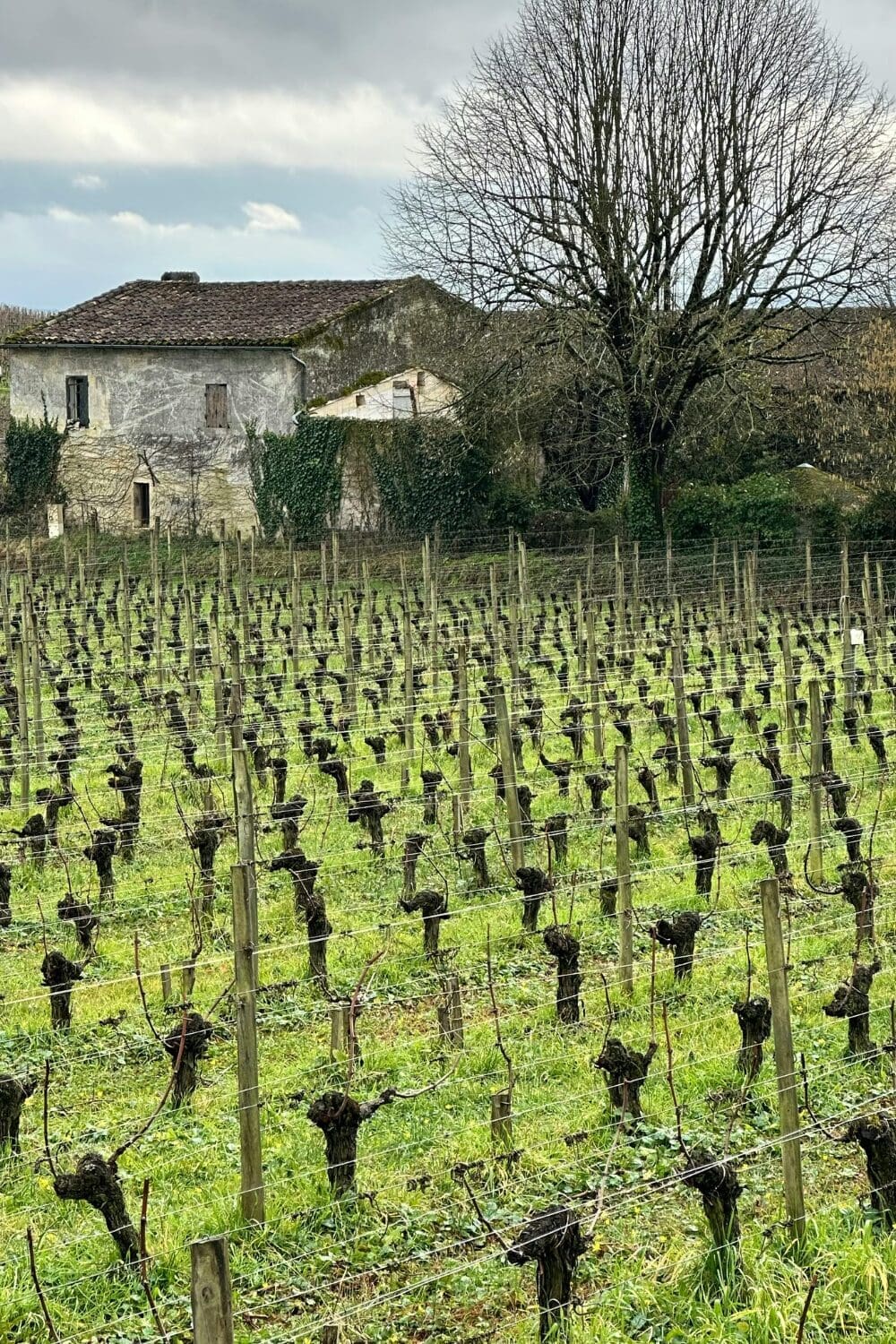
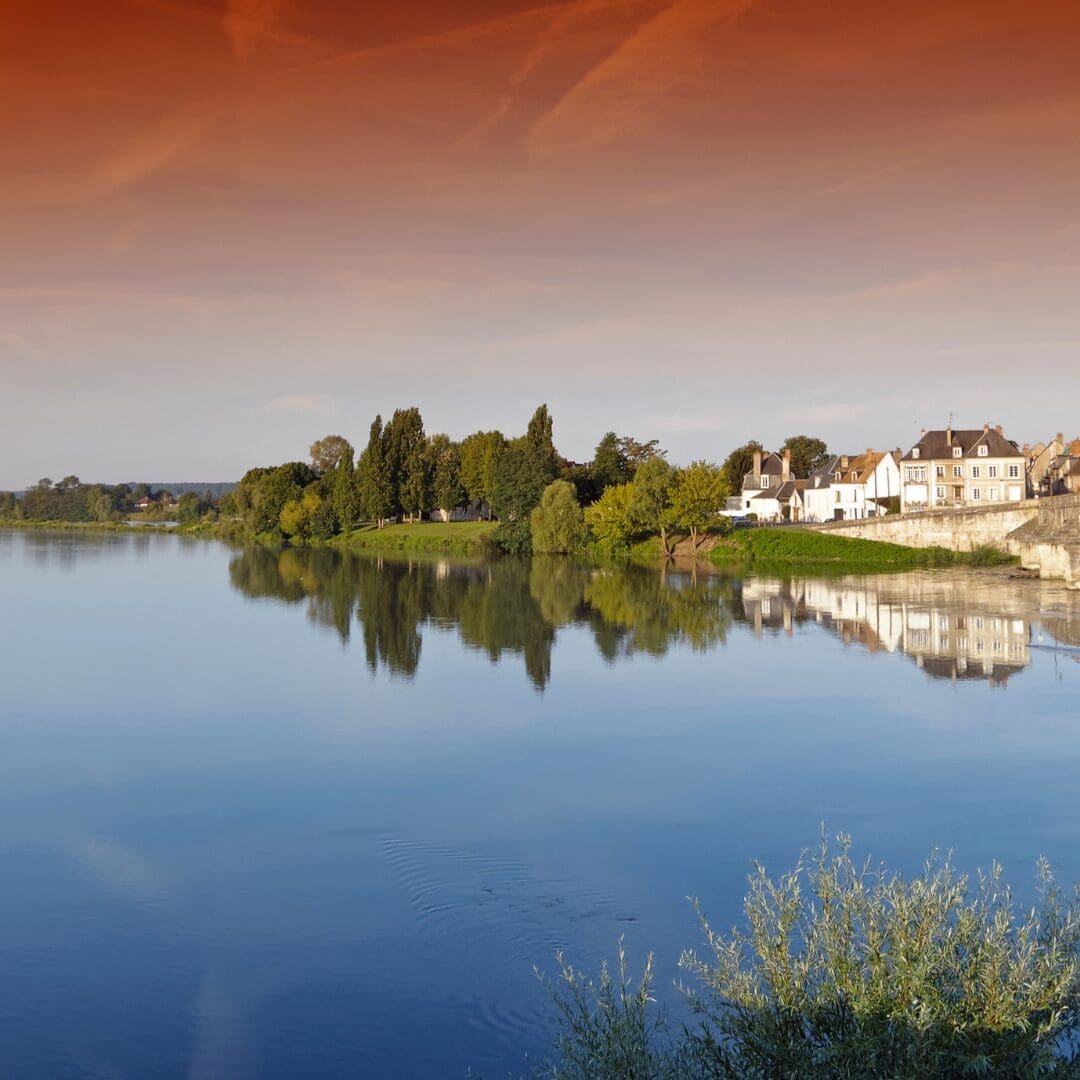
The Loire Valley is the heart of The Nightingale. Vianne’s village of Carriveau is fictional, but it’s drawn from the real landscape of this region. The stone farmhouses. The vineyard rows. The river light. The ordinary, careful, domestic beauty that Vianne fought to protect.
This is a place where villages look the same as they did 80 years ago. Where family vineyards have been producing wine since before the war. Where morning markets still run the same way they did when women were quietly, invisibly keeping children alive while the world fell apart around them.
The Loire Valley has always attracted travelers who want the real France, not the postcard version. But it has never had a major film shining a spotlight directly on it.
That’s about to change.
I’ve already written about the hidden villages of the Loire Valley and Normandy region that most travelers never find. If you want to understand what makes this part of France so extraordinary, start there.
Paris (Isabelle’s France)
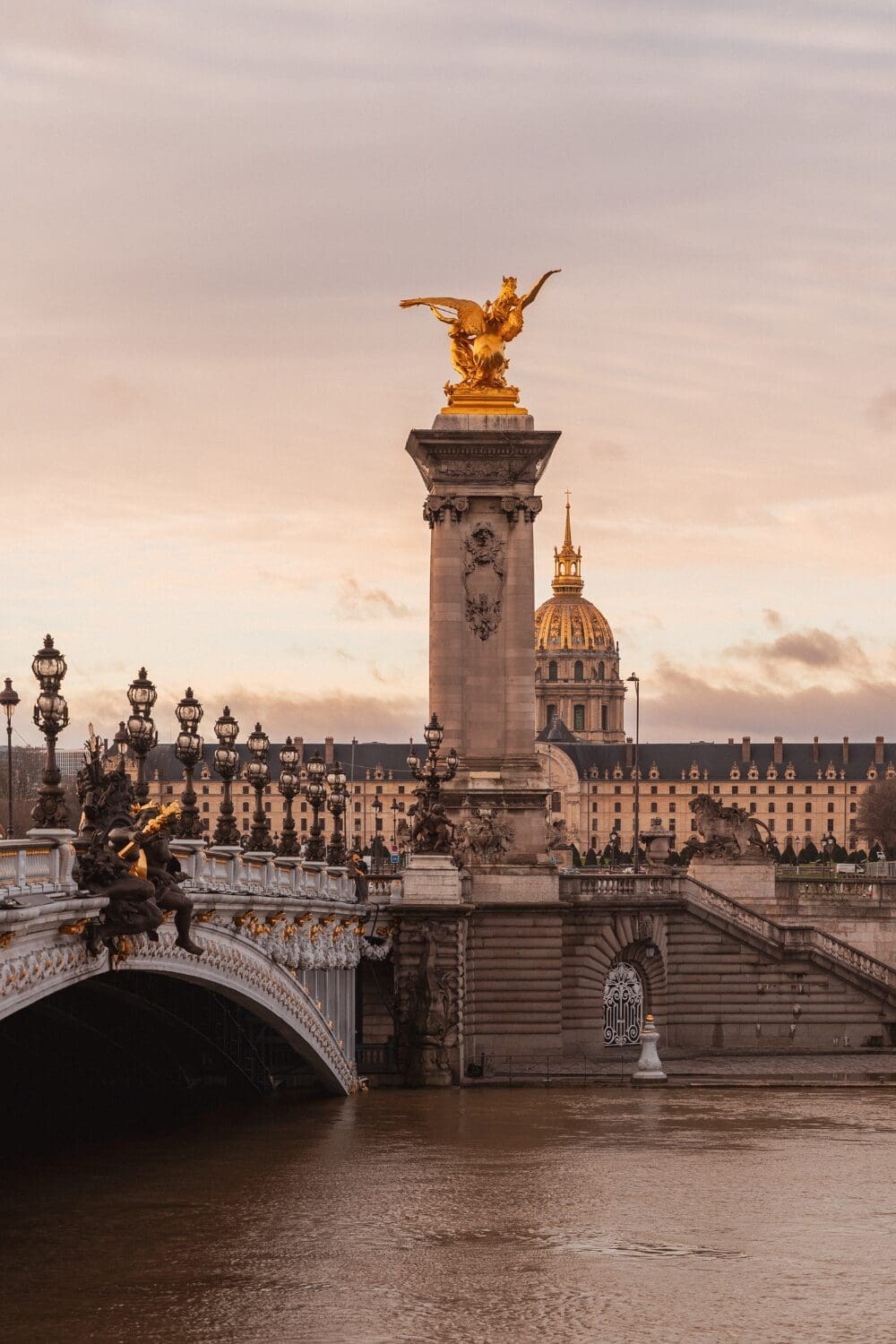
Isabelle belongs to Paris.
She belongs to the wide boulevards and the narrow back streets, to the city that was bold and beautiful even under occupation, to the Paris that people were willing to die for because it represented something that couldn’t be surrendered.
The film will capture Paris the way films always do, beautifully, cinematically, with the light doing exactly what Paris light does.
But here’s what it can’t give you: your own evening on the Seine. Your own walk through Le Marais at golden hour. Your own moment standing on a bridge watching the city reflect on the water and thinking, yes, I understand now. I understand why she did what she did.
Paris in the film will make you want to go. Going will make you understand the story differently.
I wrote about why Isabelle’s Paris and my own story are woven into every stop on this trip if you want the deeper version of why this city matters so much.
The Before and After Problem
There is a before The Nightingale movie 2027 France and an after. They are not the same trip.
Before (now through spring 2027):
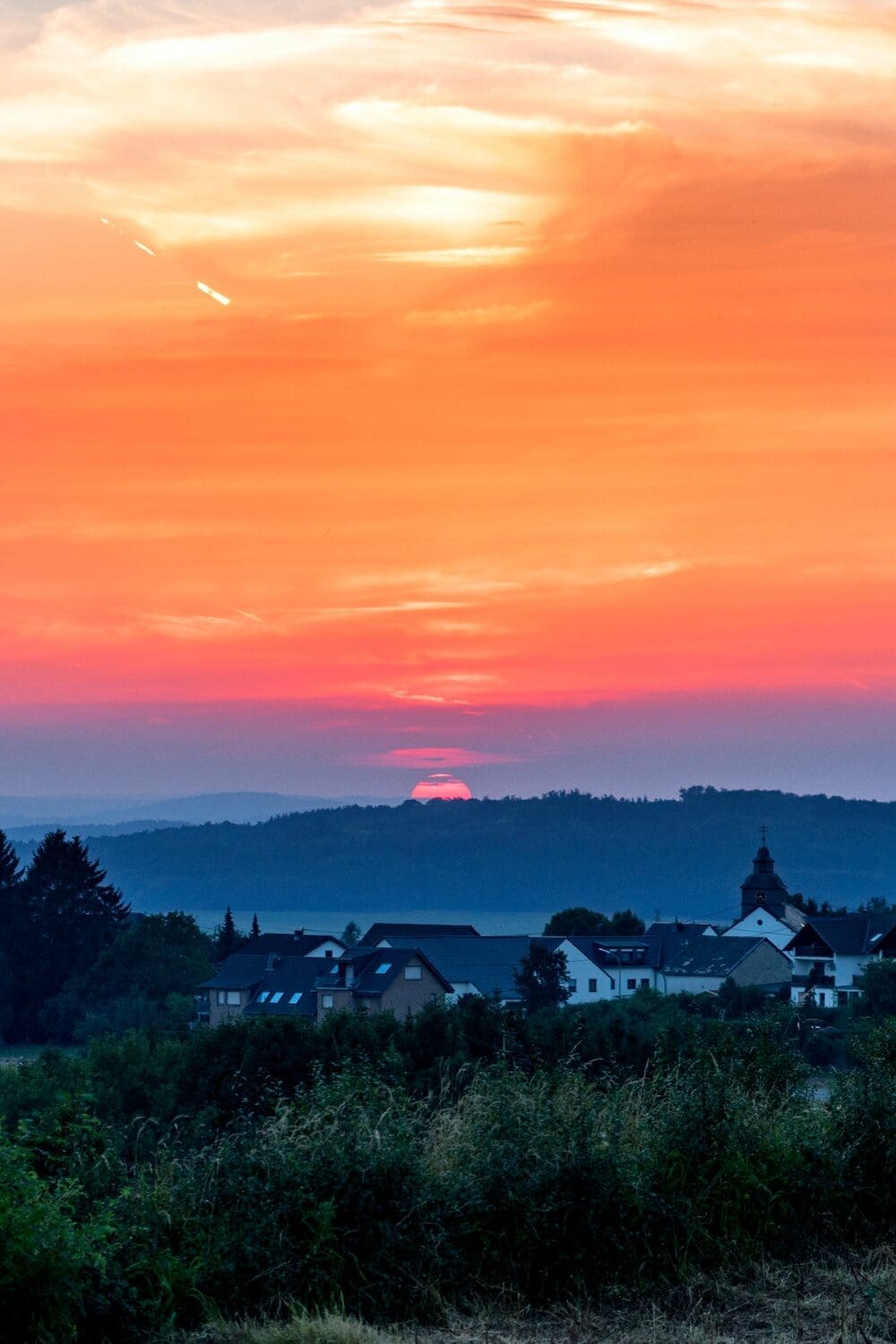
The Loire Valley is still a destination that attracts travelers who are specifically looking for it. People who have done their research. Who want authentic experiences, family vineyards, boutique hotels with stone walls and French doors opening onto gardens. The crowds exist, but they’re manageable. The intimate experiences are still available. The quiet villages are still quiet.
After (mid-2027 and beyond):
The film releases. The travel content explodes. “Nightingale-inspired” tours start appearing everywhere. Loire Valley hotels start appearing on every “best of France” list. The vineyard that was a hidden gem gets featured in three major travel publications. The private experiences that were easy to book six months ago now have waitlists of their own.
None of this makes France less beautiful. But it makes the trip different. More crowded. More expensive. Less intimate.
The sweet spot is spring 2027.
Right after the The Nightingale movie 2027 releases and reminds the whole world why they love this story. Before the travel industry fully catches up. The window is genuinely small, and it is genuinely open right now.
What a Real Nightingale-Inspired Trip Actually Requires
This is worth being honest about, because the Loire Valley and Paris deserve more than a rushed five-day itinerary.
You need time. Nine to ten days minimum to experience both regions without feeling like you’re racing between them. Less than that and you’re skimming the surface of a story that deserves to be read slowly.
You need the right season. May and June are ideal. The Loire Valley is in bloom, the vineyards are lush and green, Paris is warm without being summer-crowded, and the light is the kind of light that makes you understand why this country has produced so many painters.
You need to travel slowly. This is not a hop-on hop-off bus trip. The real Nightingale France is two hours at a family vineyard, not twenty minutes. It’s a morning wandering a village market with nowhere to be. It’s a long dinner under string lights where the wine keeps coming and nobody checks their phone.
You need logistics you can trust. Getting between the Loire Valley and Paris sounds straightforward until you’re trying to book boutique hotels in villages that don’t have English-language websites, coordinate private vineyard experiences that require advance relationships, and figure out transportation between regions without a rental car or a guide who knows the roads.
It’s absolutely doable independently. But it requires significant planning, and the best private experiences book up fast even now, before the movie hype hits.
This is exactly why I planned a small group trip for May 2027. If you want the before-the-crowds version without building the logistics from scratch, keep reading.
The May 2027 Trip: Loire Valley and Paris, Right After the Film Releases
May 22 through May 31, 2027. Nine nights. Two regions. Small group, capped at 20 travelers.
We’ll spend three days in the Loire Valley, staying in Amboise in a beautiful villa with stone walls and gardens, waking up early for village markets, spending one long afternoon at a family vineyard with wine and cheese and the kind of conversation that only happens when you’re sitting outside under an old tree with no agenda.
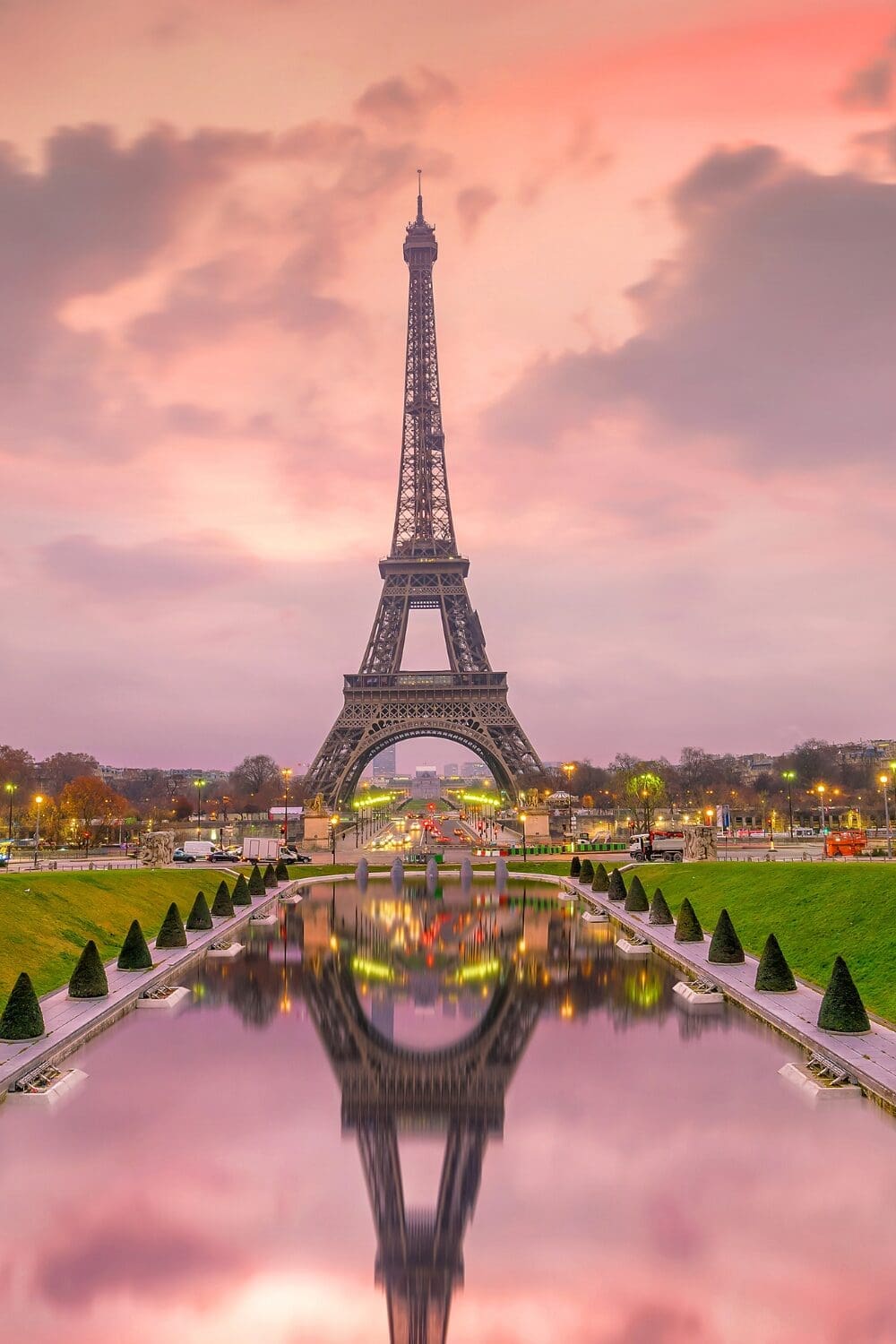
Then Paris. Isabelle’s city. We’ll walk the streets she would have known, see the Paris that people were willing to fight for, and on our last night, we’ll dress up and board a private Seine river cruise with our own photographer and champagne and the Eiffel Tower sparkling above us on the water.
This is the trip I designed for women who felt The Nightingale in their bones. Who’ve been both Vianne and Isabelle at different points in their lives. Who want depth and delight, history and beauty, meaning and fun, all in the same nine nights.
If you want the full day-by-day picture of what this trip actually feels like from arrival to au revoir, I wrote about every moment of your nine nights here. Read that and then come back.
The Nightingale movie 2027 releases in February. Our trip leaves in May.
That’s the sweet spot. After the world falls in love with this story all over again on the big screen. Before everyone else figures out how to get there.
The waitlist is open now. When it fills, it closes.
One More Thing
Whether you join me in May or plan your own trip someday, I want to say this:
Go before the crowds do.
The France that inspired The Nightingale is still there. The villages are still quiet. The vineyards are still family-run. The Paris light still does exactly what it does in your imagination.
But the window is open right now, and it will not stay open forever.
The movie will be beautiful. Vianne and Isabelle deserve the big screen. But the real story, the one you’ll carry home with you, that one only happens in France.
Don’t wait for the film to tell you it’s time to go.
Want more France travel inspiration and first access to trip details? Join Angie’s Travel Tribe, my free private Facebook group, where I share exclusive itineraries, behind-the-scenes trip planning, and a community of women who love to travel.
Be the first to comment