7 Secret French Villages You Need to See
Paris is magical. The Eiffel Tower at sunset, croissants from a corner boulangerie, the Seine glittering under streetlights. But here’s what I’ve learned after years of planning luxury travel to France: the real magic happens in the places most travelers never find. I’m talking about secret French villages where time moves slower. Where flower boxes spill over ancient stone walls, where rivers run through cobblestone streets, and where you can sit at a café for two hours without anyone rushing you along. These are the villages that inspired novels like The Nightingale by Kristin Hannah. The kind of places where you don’t just visit France, you feel it.
I’m planning a France group trip for May 2027 that will take us to places like these. Not the guidebook highlights, but the hidden corners where stories live. Here are seven secret French villages to put on your radar, whether you’re joining me in 2027 or planning your own French adventure.
The Secret French Villages Most Travelers Never Find
1. Veules-les-Roses (Normandy)
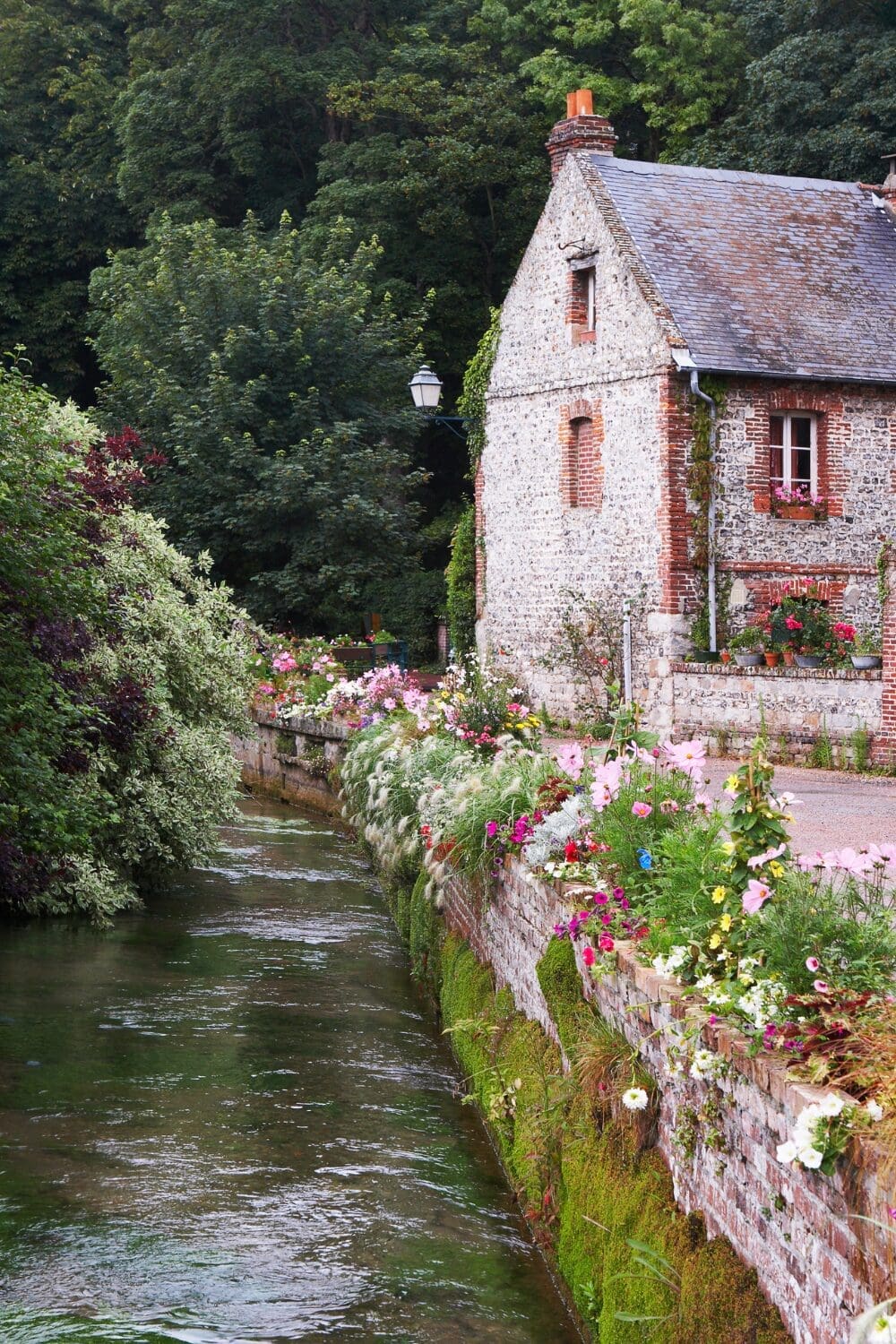
Veules-les-Roses sits on the Normandy coast and holds a quirky claim to fame: it’s home to the shortest river in France. The Veules River runs just over a kilometer from source to sea, winding past thatched cottages, old watercress farms, and stone bridges that look like they belong in a fairy tale.
This village has long been a retreat for artists and writers, drawn by the coastal light and the quiet charm. During WWII, it was occupied by German forces, and you can still see remnants of that history woven into the landscape. Today, it’s a place where you can walk the river path in the morning mist, visit the 12th-century church, and eat the freshest seafood you’ve ever tasted.
Insider tip: Arrive early in the morning. The light is stunning, and you’ll have the village mostly to yourself before day-trippers arrive.
2. Gerberoy (Picardy)
Gerberoy is one of the most beloved secret French villages in all of Picardy. If you’ve ever imagined what a storybook French village looks like, Gerberoy is it. Perched on a hilltop, this tiny medieval village is famous for its rose-covered half-timbered houses and cobblestone streets that wind upward toward sweeping views of the surrounding countryside.
Artists flocked here in the early 1900s, and you can still feel that creative energy in the galleries and studios tucked into old stone buildings. In June, the village hosts a rose festival, and the entire place explodes with color.
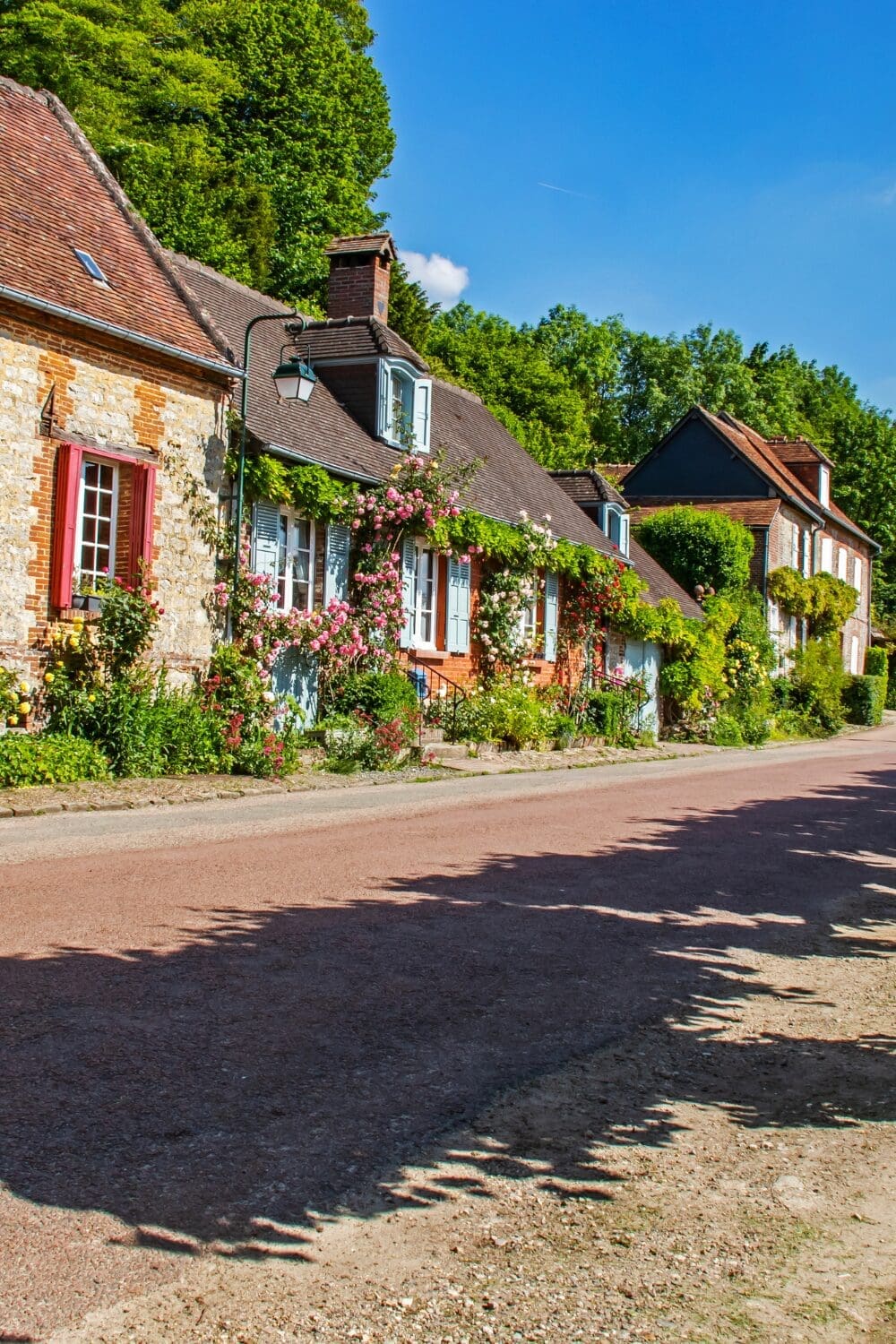
What to do: Wander the lanes slowly. Duck into art galleries. Grab a coffee at the village café and watch the world go by. If you can, stay overnight. Once the day-trippers leave by 5pm, the village becomes yours.
Insider tip: Book a room at one of the small guesthouses and have dinner at the local auberge. You’ll eat like you’re in someone’s home, because in a way, you are.
3. Lyons-la-Forêt (Normandy)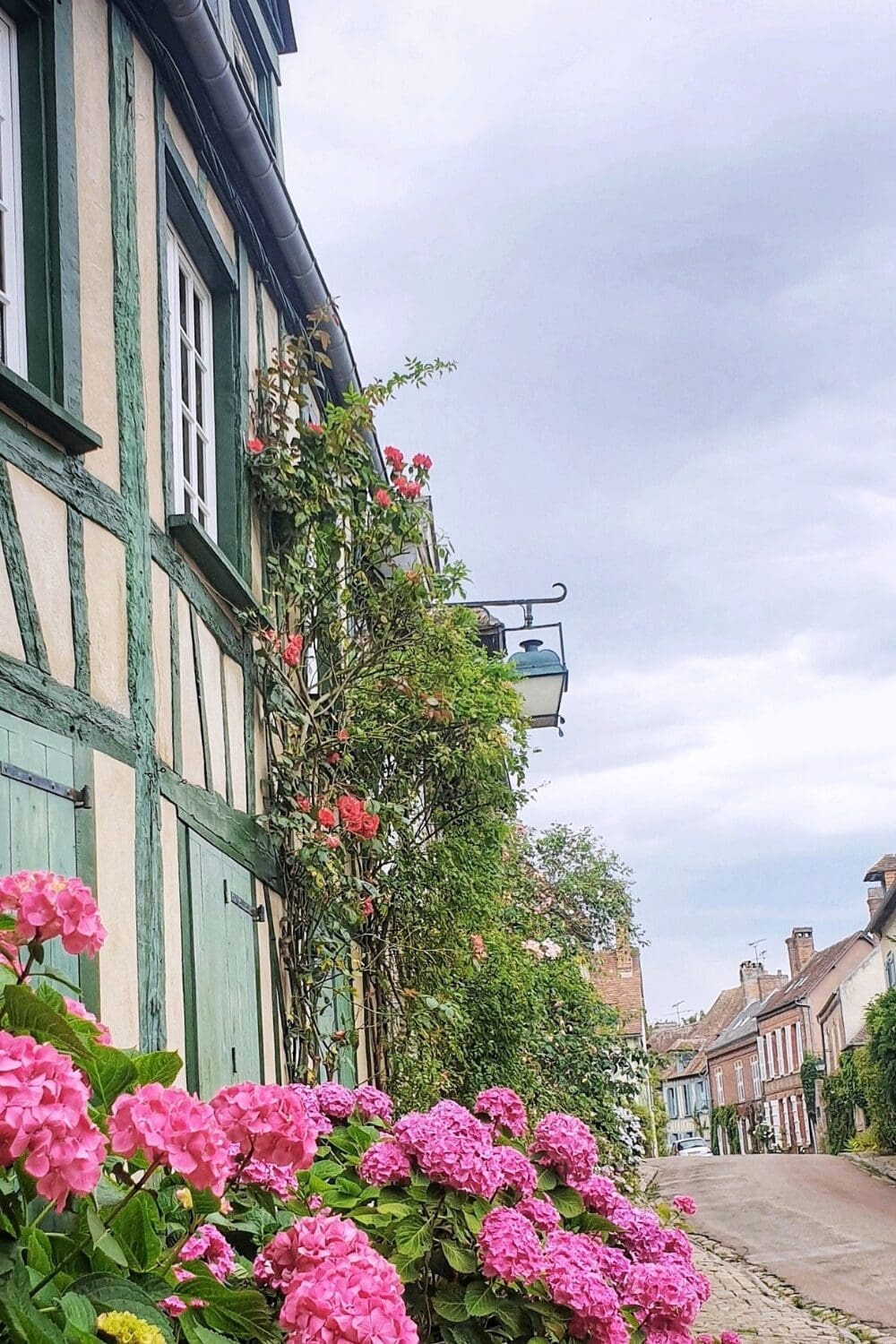
Lyons-la-Forêt sits in the heart of a beech forest, surrounded by trees that have stood for centuries. The village square is framed by timber-framed buildings, some dating back to the 1600s, and the Thursday market still draws locals who’ve been shopping there for generations.
This is the village where they filmed Madame Bovary, and when you walk these streets, you understand why. It feels untouched, like you’ve stepped back in time.
What to do: Visit on a Thursday for the market. Walk the forest trails that circle the village. Browse the antique shops. Sit in the square and watch the rhythm of village life unfold.
Insider tip: Make a reservation for Sunday lunch at one of the local restaurants. It’s when families gather, and the food is incredible.
4. Conques (Aveyron)
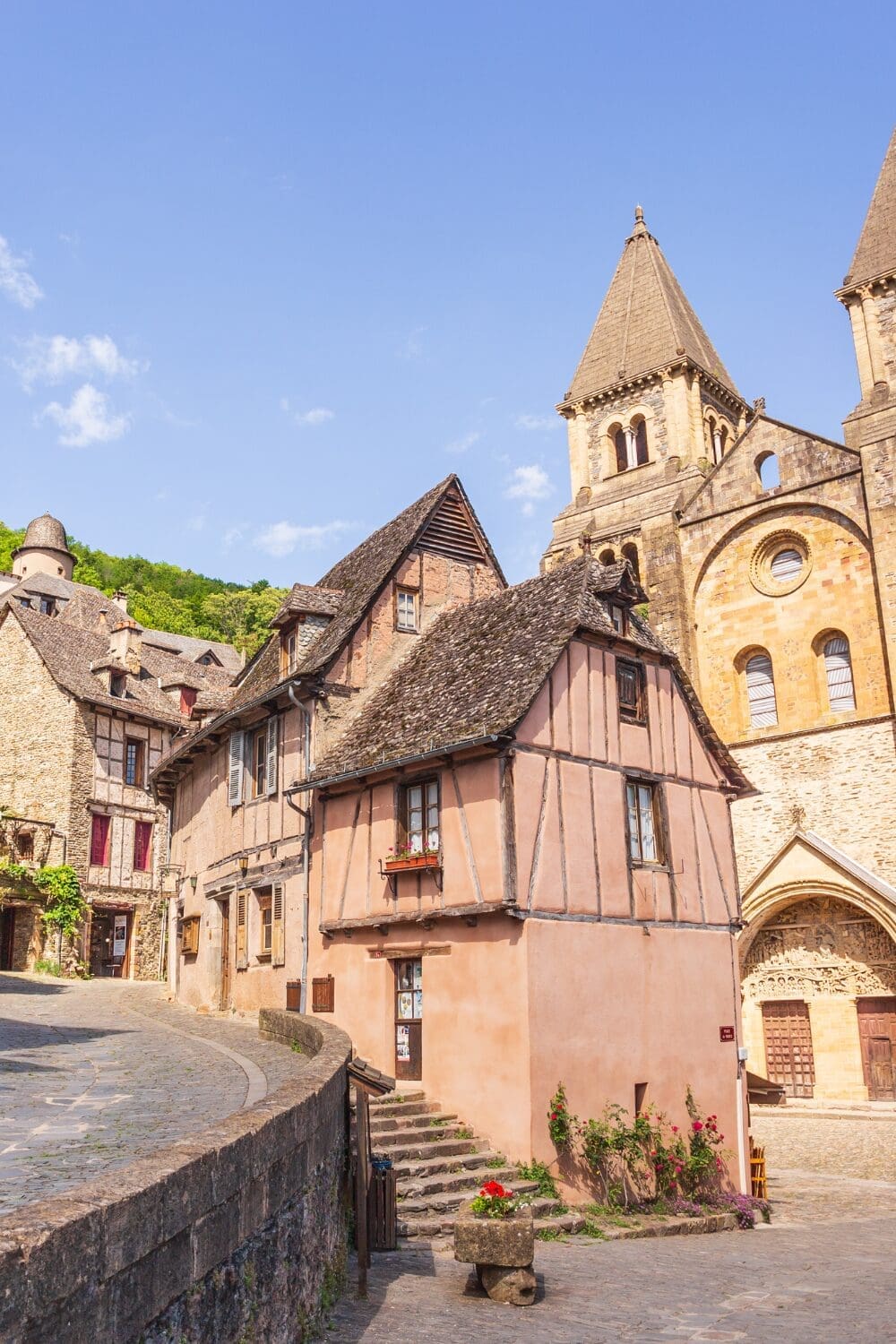
Arguably the most dramatic secret French village on this list, Conques clings to a steep hillside in southern France — a medieval village that has been a pilgrimage stop on the Santiago de Compostela route for over a thousand years. The Romanesque abbey dominates the skyline, and the narrow cobblestone lanes are lined with stone houses that seem to grow out of the hillside itself.
Pilgrims have walked these streets for centuries, and you can feel the weight of that history in every corner. The abbey treasury holds relics and medieval art that will take your breath away.
What to do: Visit the abbey and its treasury. Walk the steep lanes at sunrise when the light is golden and the village is quiet. Stay in one of the former pilgrim hostels, simple but full of character.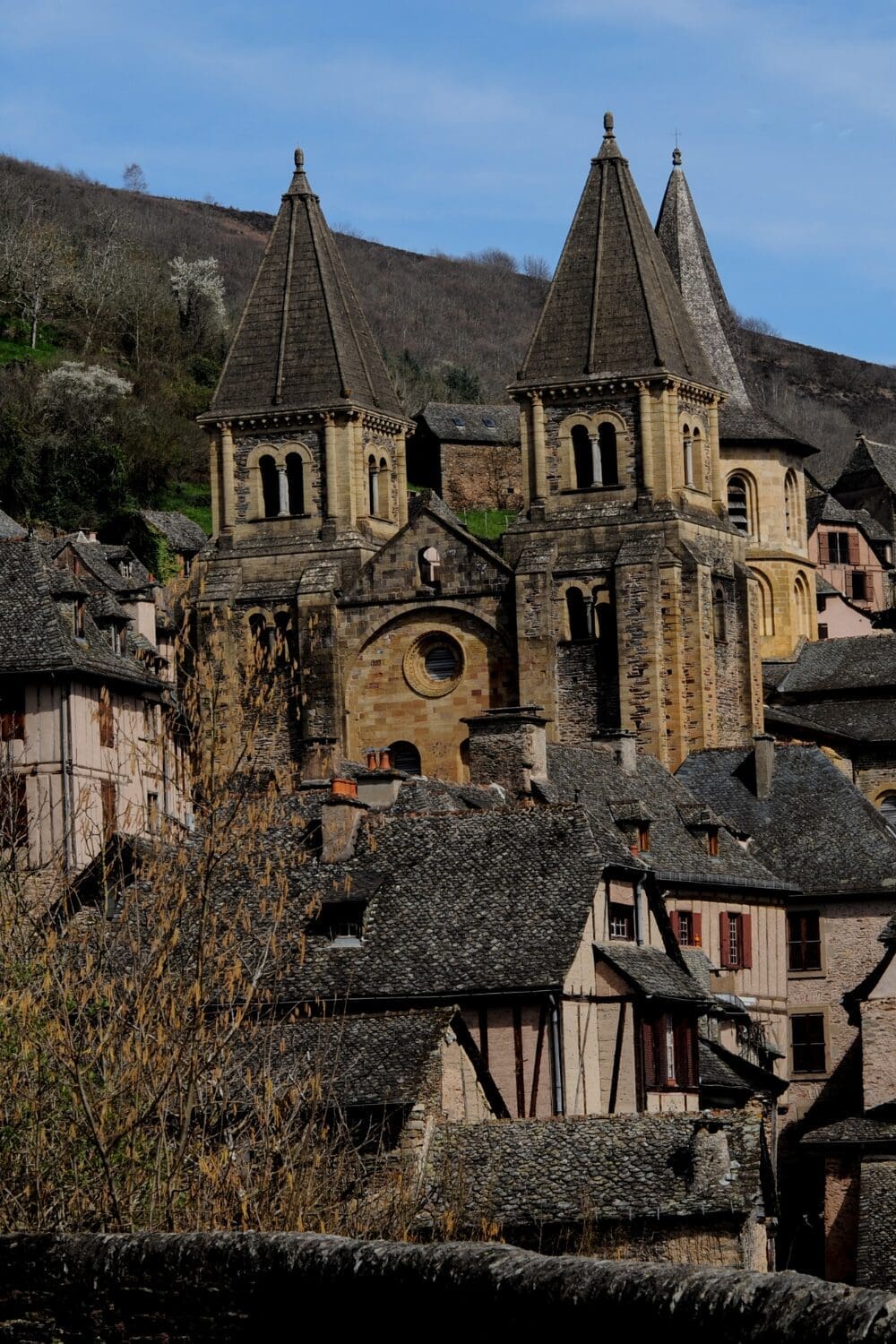
Insider tip: Arrive after 6pm when the tour buses have left. The village transforms into something peaceful and sacred.
5. Eguisheim (Alsace)
Eguisheim is built in concentric circles, with streets that spiral outward from the central square like ripples in water. The houses are painted in soft pastels, each one overflowing with flower boxes, and the backdrop is rolling vineyards that stretch toward the Vosges mountains.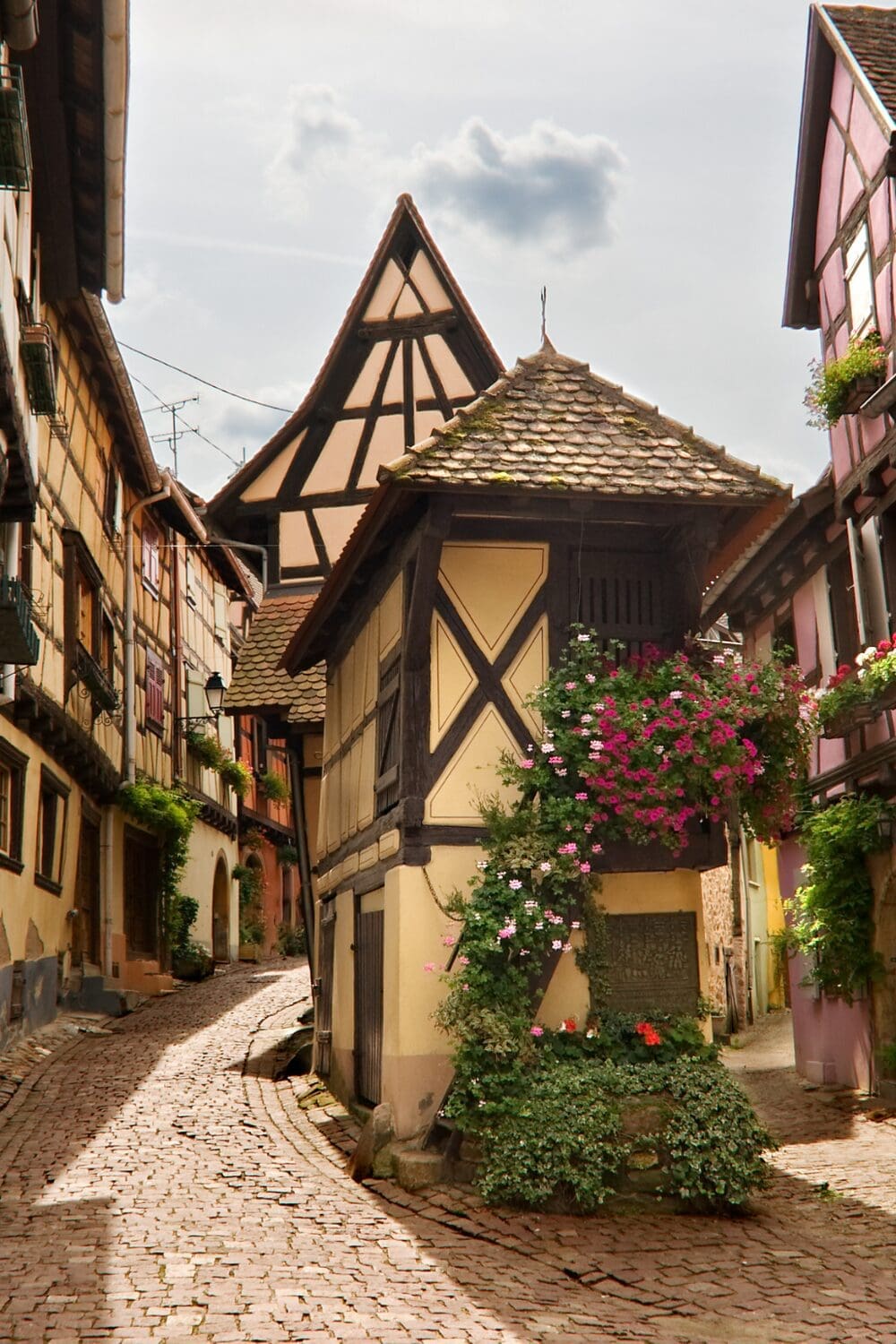
This village is the birthplace of Pope Leo IX, and it’s deeply rooted in Alsatian wine culture. Storks nest on the rooftops, a symbol of good luck in this region, and the Christmas markets in December are some of the most magical in France.
What to do: Taste wine at the local cellars. Walk the circular streets and get happily lost. If you’re there in December, the Christmas market is unforgettable.
Insider tip: Rent bikes and ride through the vineyard trails that surround the village. The views are stunning, and you’ll feel like you have the whole countryside to yourself.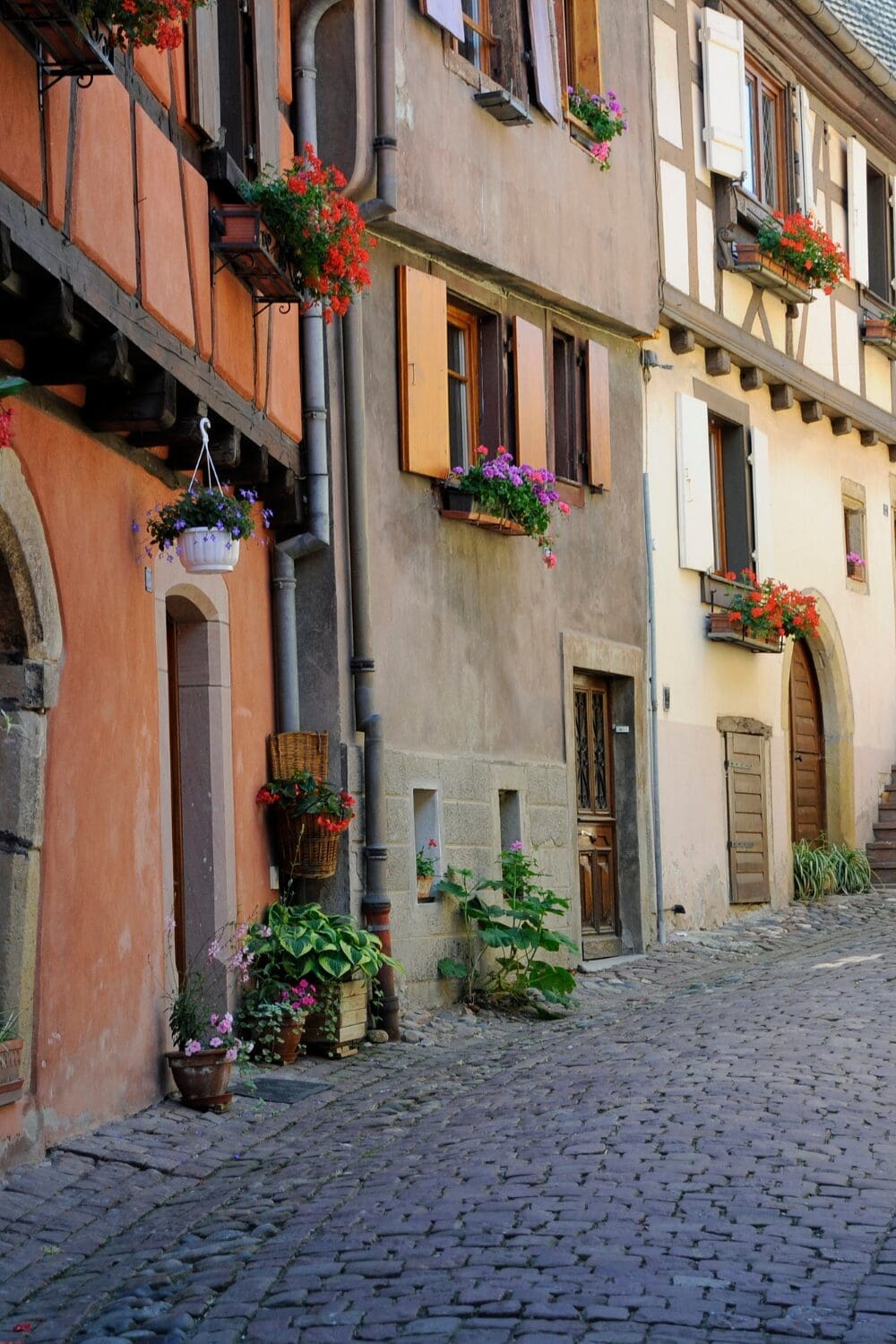
6. Saint-Céneri-le-Gérei (Normandy)
Saint-Céneri-le-Gérei is so small it barely registers on most maps, but it’s been a favorite of Impressionist painters for over a century. The village sits on a bend in the Sarthe River, with a Romanesque church perched on a rocky outcrop and stone cottages scattered along the water.
The light here is soft and shifting, the kind of light that made painters set up their easels and stay for weeks. It’s quiet, unhurried, and utterly charming.
What to do: Walk the riverbank. Visit the chapel to see the medieval frescoes. Pack a picnic and find a spot by the water. There’s not much to do here in the traditional sense, and that’s exactly the point.
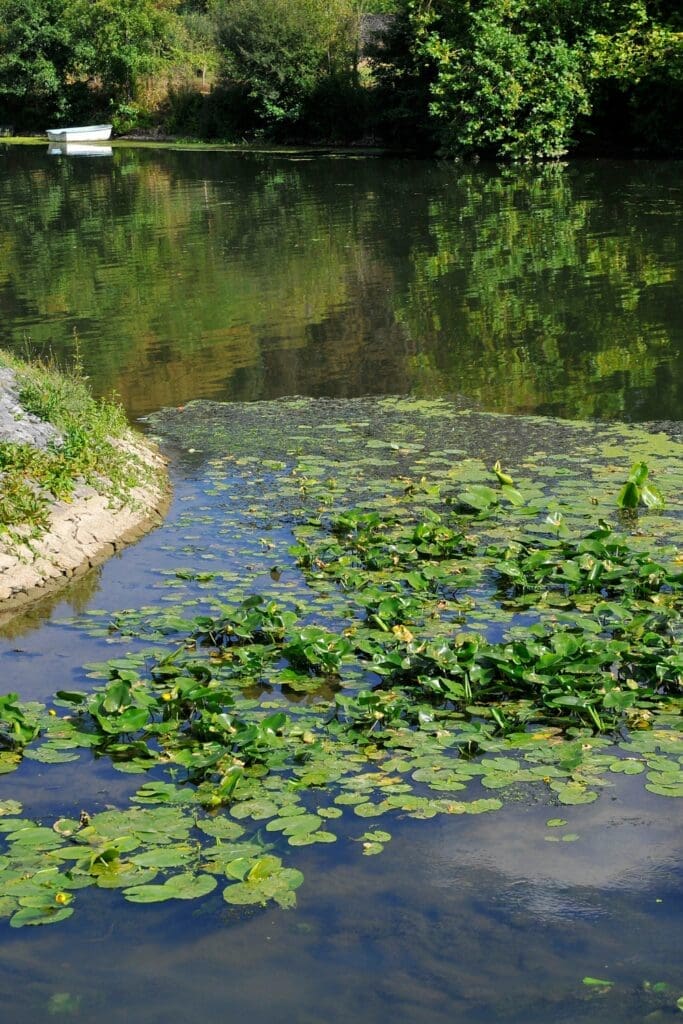
Insider tip: This village never gets crowded. It’s perfect for slow travel, for sitting still and letting France come to you.
7. Locronan (Brittany)
Locronan is a secret French village frozen in time. The central square, surrounded by 16th and 17th-century buildings, looks exactly as it did 400 years ago. This was once a wealthy weaving town, and that prosperity left behind a village so perfectly preserved that filmmakers use it as a natural movie set.
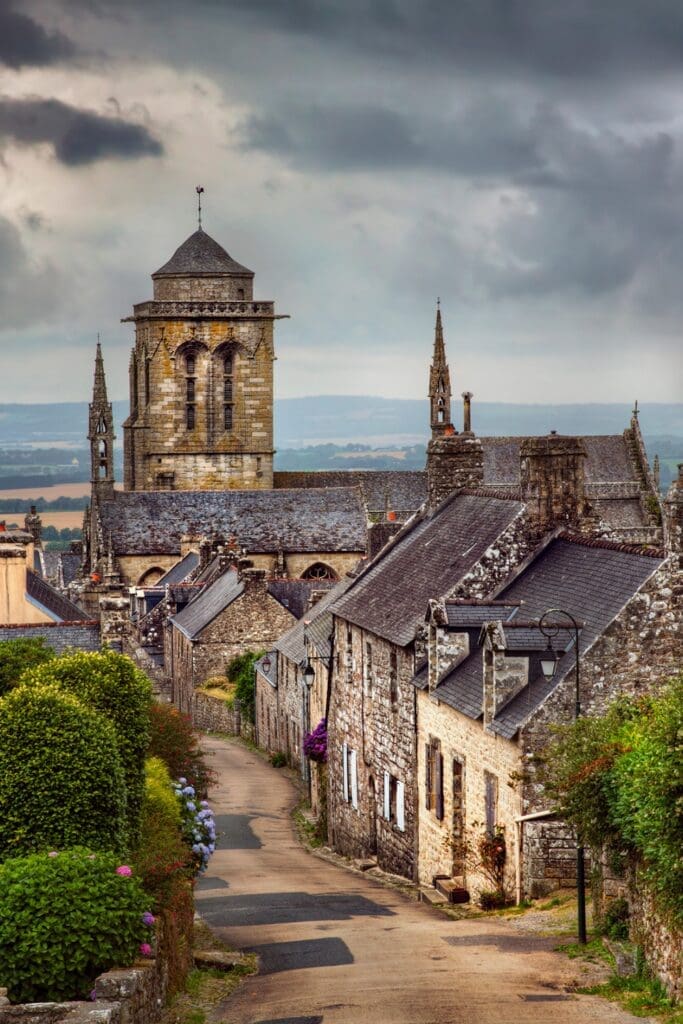
Tess and A Very Long Engagement were both filmed here, and when you walk the square, you’ll see why. It’s atmospheric, moody, and hauntingly beautiful.
What to do: Wander the cobblestone square. Visit the artisan shops tucked into old stone buildings. If you’re there during one of the Celtic festivals, the village comes alive with music and tradition.
Insider tip: Go on a weekday. On weekends, film crews and tour groups take over. But on a quiet Tuesday morning, it’s all yours.
These Secret French Villages Are the France You’ve Been Looking For
These secret French villages aren’t on the standard tourist trail, but they’re where the real stories live. They’re the France of novels and old photographs, the France you dream about when you close your eyes.
This is the France I’m building my 2027 group trip around. Places like these, woven together with literary inspiration, WWII history, poppy fields, and the kind of travel that changes you. Not rushed, not transactional, but meaningful.
If this sounds like the kind of trip you’ve been waiting for, I’d love to have you join me.
Want my complete France travel planning toolkit?
Join my email list and get exclusive itineraries, packing lists, and early access to the France 2027 group trip reveal. Plus, I’ll send you my guide to planning literary-inspired travel that goes deeper than the guidebooks.
Already dreaming of France?
Join Angie’s Travel Tribe on Facebook for daily inspiration, travel tips, and a community of women who love to explore.
Be the first to comment